


Key takeaways
- Consumers are expressing a growing need for original and unexpected discoveries: 83% want alternatives to major retail chains, and 75% would like access to a space dedicated to ephemeral retail near their home.
- After years of retail standardization, pop-up stores meet a strong demand for renewal, surprise, and authenticity in the shopping journey.
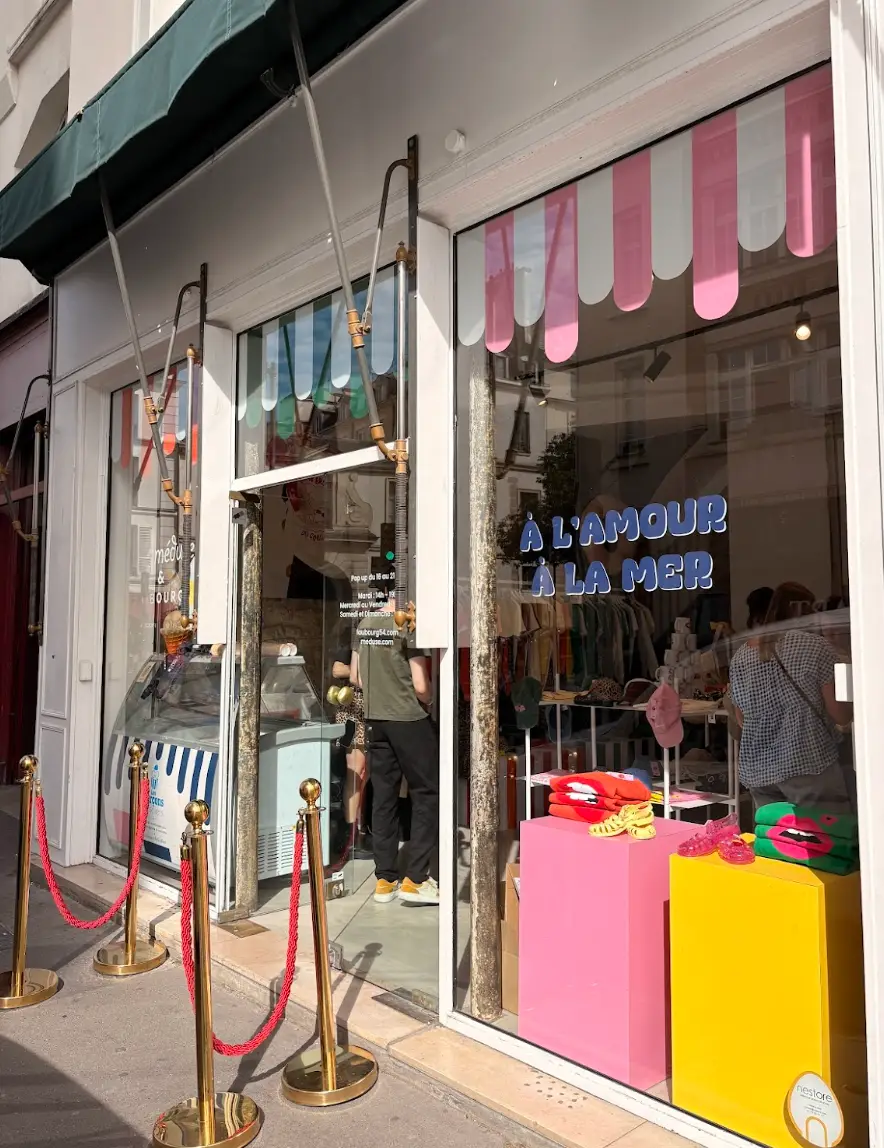
- Thanks to their short-term format, they allow brands to build immersive environments, regularly introduce new brands and creators, and elevate the overall customer experience.
- For traditional retailers, pop-up stores become a creative playground: refreshing brand image, testing a new positioning, launching a product, or generating media buzz.
- The pop-up phenomenon is not a passing trend: it’s the experiential mechanisms (gamification, QR codes, immersive installations…) that evolve over time, not the format itself.
- Ephemeral retail addresses long-lasting needs: testing, experimenting, surprising, standing out, and creating connection — fundamental levers of physical commerce.
- In a market seeking flexibility and emotion, this model has never been more relevant — a strong belief shared by Nestore.
83% of French consumers want to make unexpected and original discoveries outside major retail chains, and 75% would like to have a dedicated pop-up space close to their home or workplace. After years of standardized shopping experiences, consumers are now seeking novelty, surprise, and a sense of authenticity.
Everyone keeps repeating it: customer experience has become one of the most decisive elements in retail. And this is exactly where short term shops shine. As indicated by the pop up store's definition, they allow brands to design a unique, immersive universe full of services and touchpoints. They also give customers the chance to regularly discover new brands and creators — a major advantage for shoppers who feel bored with traditional retailers.
For established brands, ephemeral retail is a powerful playground: refreshing their image, reinventing their positioning, generating buzz, testing new concepts, or launching a product in a distinctive setting. The pop-up store is also a strong media magnet. When executed well, it becomes a real event that attracts journalists, influencers, and creators — an excellent way to convey a message and amplify storytelling.
People often talk about a “pop-up trend.” In reality, the trend lies in the strategies used inside the pop-up — gamification, QR experiences, immersive installations, and so on. These tactics evolve, fade, and come back. But ephemeral retail itself responds to fundamental needs: experimenting, testing, standing out, building connections, surprising customers. These needs have always existed — and they always will.
At Nestore, we are convinced that this retail format is far from running out of steam. Quite the opposite: in a market that values flexibility, emotion, and uniqueness, the pop-up store has never been more relevant.
.jpg)

